Ovarian Longevity Is the New Menopause Conversation. Here’s What Changed My Approach After 10 Years
There was a pattern I couldn’t ignore.
The women who seemed to move through perimenopause with the most resilience weren’t necessarily doing more.
They were simply starting sooner.
Long before ovarian longevity became part of the conversation, I found myself asking a different question in my practice.
Why were we waiting until women felt like strangers in their own bodies before offering support?
For years, the conversation around menopause focused on responding to symptoms once they appeared. Hot flashes. Poor sleep. Brain fog. Mood changes.
Those conversations matter.
But over time, I found myself wondering if we were asking the wrong question.
What if we could support the body before it started asking louder questions?
That idea has quietly shaped the way I work for years. Today, science is beginning to validate what many practitioners have observed through experience: the ovaries influence far more than fertility. They play an important role in metabolism, cardiovascular health, cognitive function, inflammation, bone health, and how women age over time.
To me, ovarian longevity isn’t simply another wellness trend.
It’s a different way of thinking about women’s health.
What Ovarian Longevity Actually Means
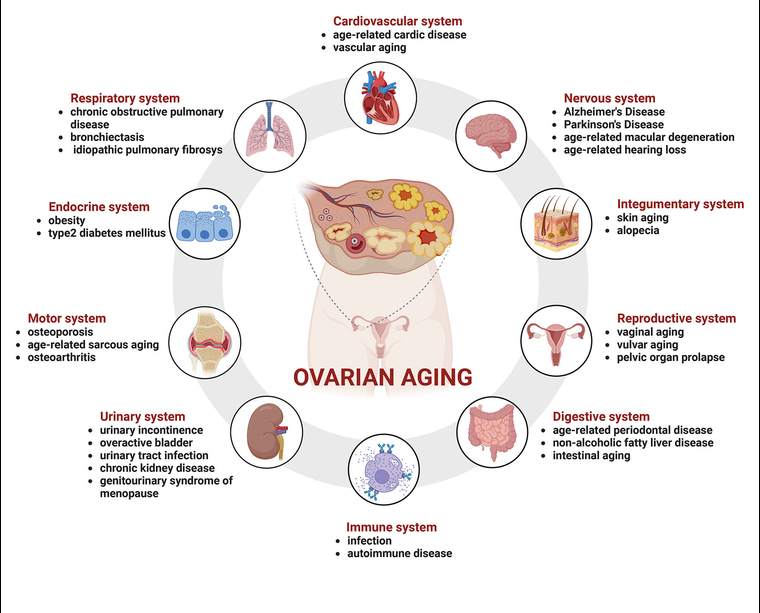
Source: Aging and Disease
Ovarian longevity is the idea of supporting ovarian health before menopause arrives, recognizing that the ovaries influence many systems throughout the body.
Instead of asking, How do we manage symptoms once they appear?
The conversation becomes, How do we build resilience before symptoms begin?
That shift—from reacting to preparing—is one of the most exciting changes happening in women’s health today.
The Five Pillars That Shape My Approach
After nearly a decade of working with women through hormonal transition, I noticed something.
The women who felt most supported weren’t necessarily following the most complicated wellness routines. They were the ones who had been quietly building resilience long before their hormones began to shift.
That observation changed the way I teach.
Today, these five pillars shape nearly every private session I offer.
Movement That Creates Capacity
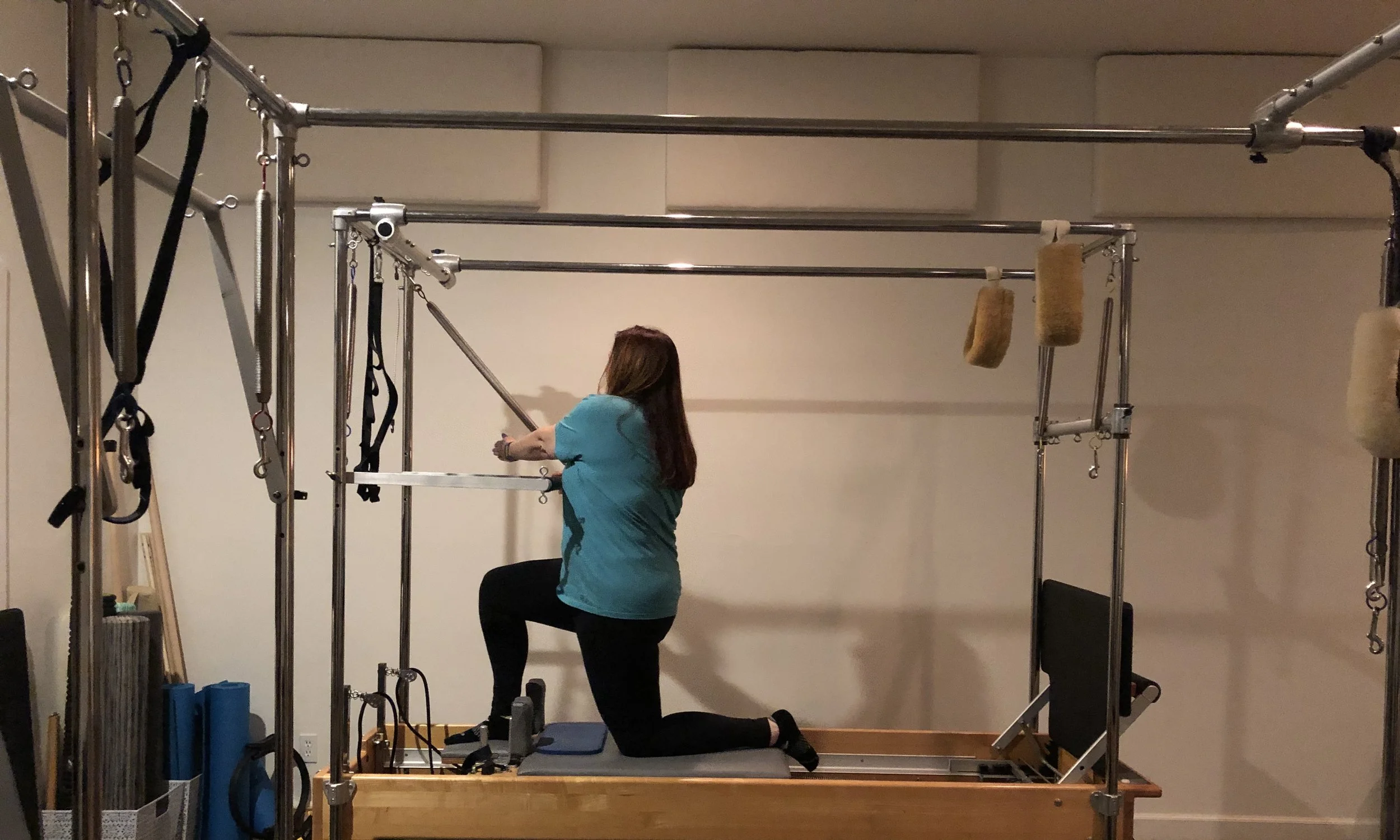
Pilates is often where our work begins.
Not because it promises to “fix hormones,” but because it helps the body adapt to change.
When breathing improves, posture changes.
When posture changes, movement becomes more efficient. When movement becomes more efficient, the nervous system often feels safer.
Everything becomes a little easier.
One thing I’ve learned is that strength isn’t always measured by how much weight you lift.
Sometimes strength looks like sleeping through the night.
Recovering more quickly.
Feeling steady instead of depleted.
Trusting your body again.
A Regulated Nervous System

One of the biggest surprises for many women is realizing they aren’t simply tired.
They’re carrying years of accumulated stress.
Hormonal transitions often magnify what the nervous system has been quietly compensating for all along.
That’s why recovery has become just as important in my work as movement.
Because resilience isn’t built through intensity alone.
Gut, Skin, and Hormones Are One Conversation
One of the first places I often notice change isn’t movement.
It’s skin.
Or digestion.
Or energy.
Gut health plays an important role in hormone metabolism and inflammation. Skin is often one of the earliest places those internal changes begin to appear.
When we stop treating these systems as separate conversations, the picture becomes much clearer.
One of the things I enjoy most about women’s health right now is watching research begin to validate what so many women have intuitively felt for years: the body doesn’t experience hormones, digestion, inflammation, and skin as separate systems.
Neither should we.
Looking Back to Move Forward
One of the reasons I’m drawn to traditional healing systems is that they ask a question modern healthcare hasn’t always emphasized.
How do we protect vitality before it’s gone?
Long before modern medicine understood hormones through endocrinology, Traditional Chinese Medicine described protecting what it calls Jing, often translated as our “essence.” While Jing isn’t the same as estrogen, I find it fascinating that both perspectives recognize the importance of protecting women’s vitality long before symptoms appear.
Ayurveda offers a similar reminder.
Health isn’t built through one perfect intervention.
It’s shaped by rhythm.
Warm nourishing meals.
Digestive health.
Consistent sleep.
Gentle movement.
Seasonal living.
These traditions don’t replace modern medicine.
They simply remind us that longevity is often created through ordinary habits practiced consistently.
“Longevity is often shaped by what we do every day, not just what we do when something feels wrong”
Everyday Nutrition That Supports Longevity
Rather than searching for one miracle food, I encourage women to think about patterns.
The foods we return to again and again often matter more than the occasional superfood.
Foods I Return to Again and Again
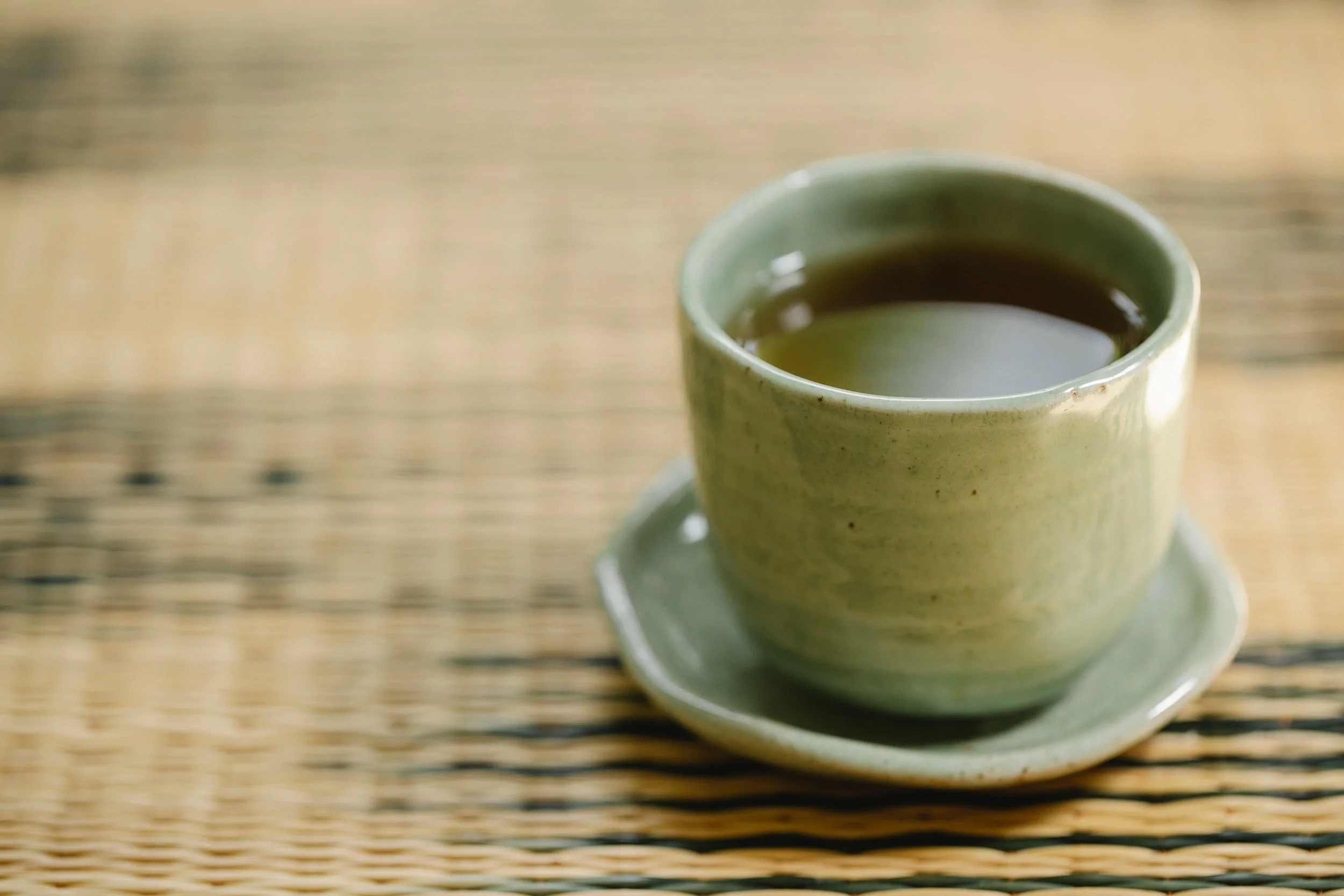
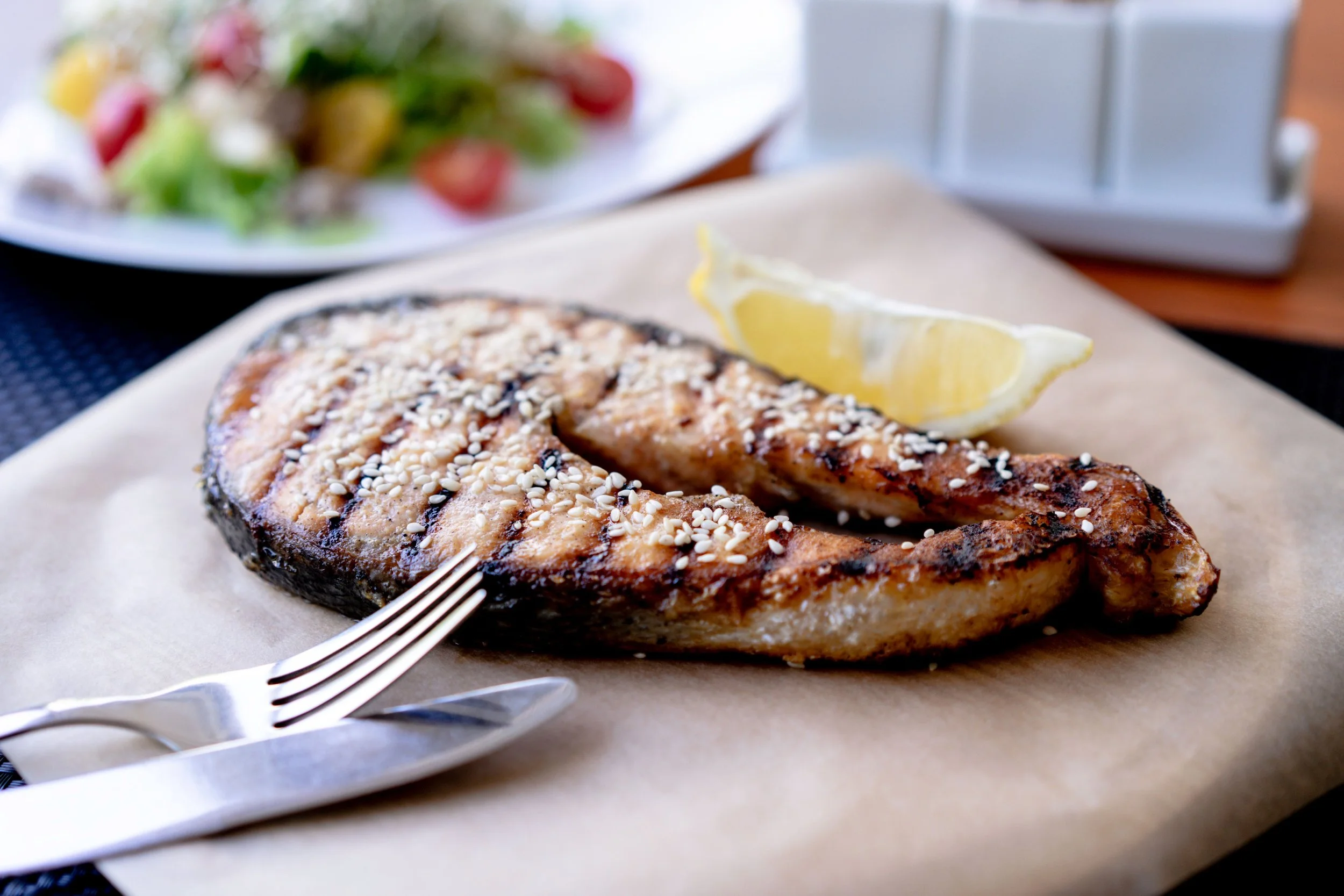
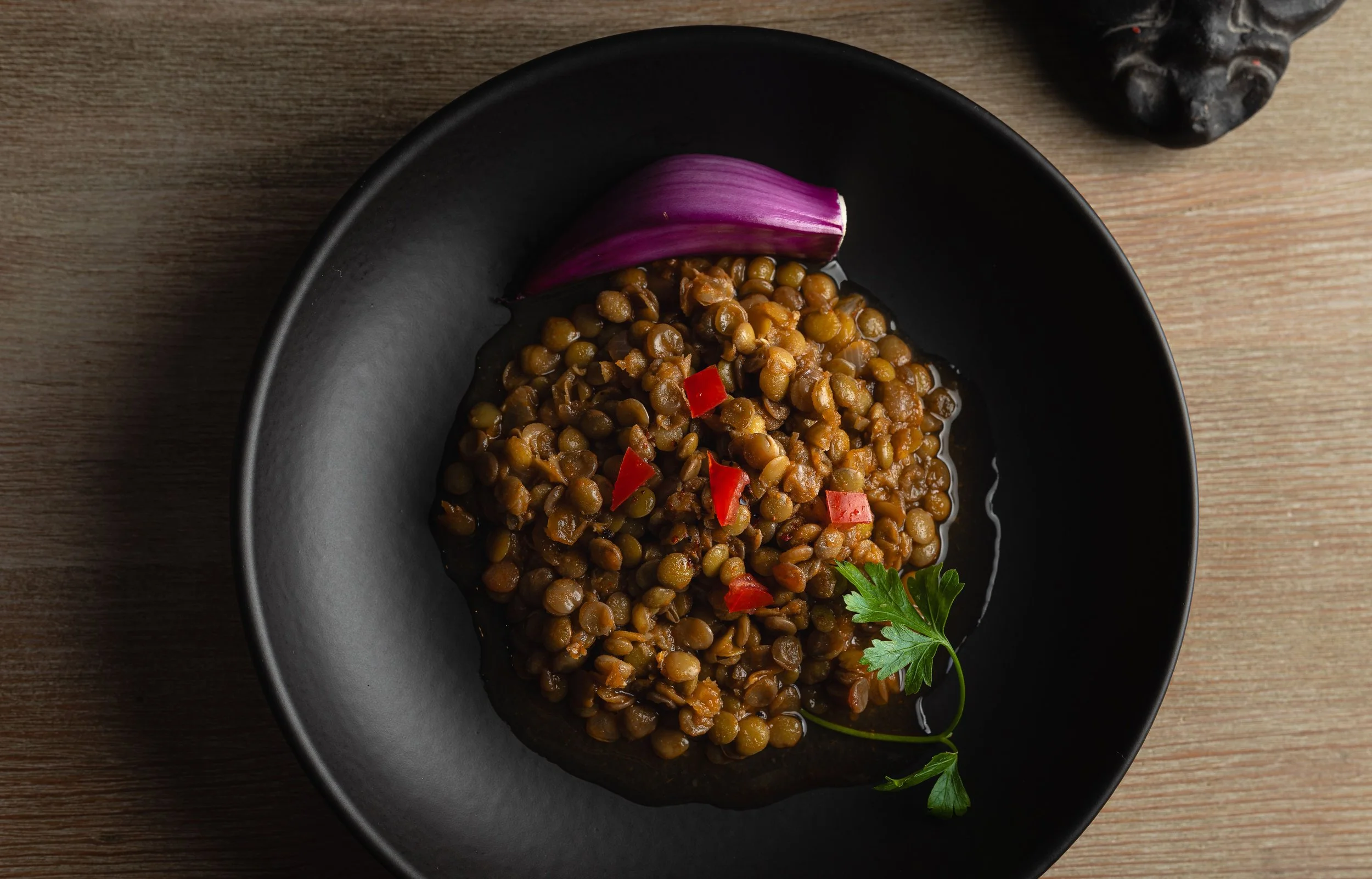
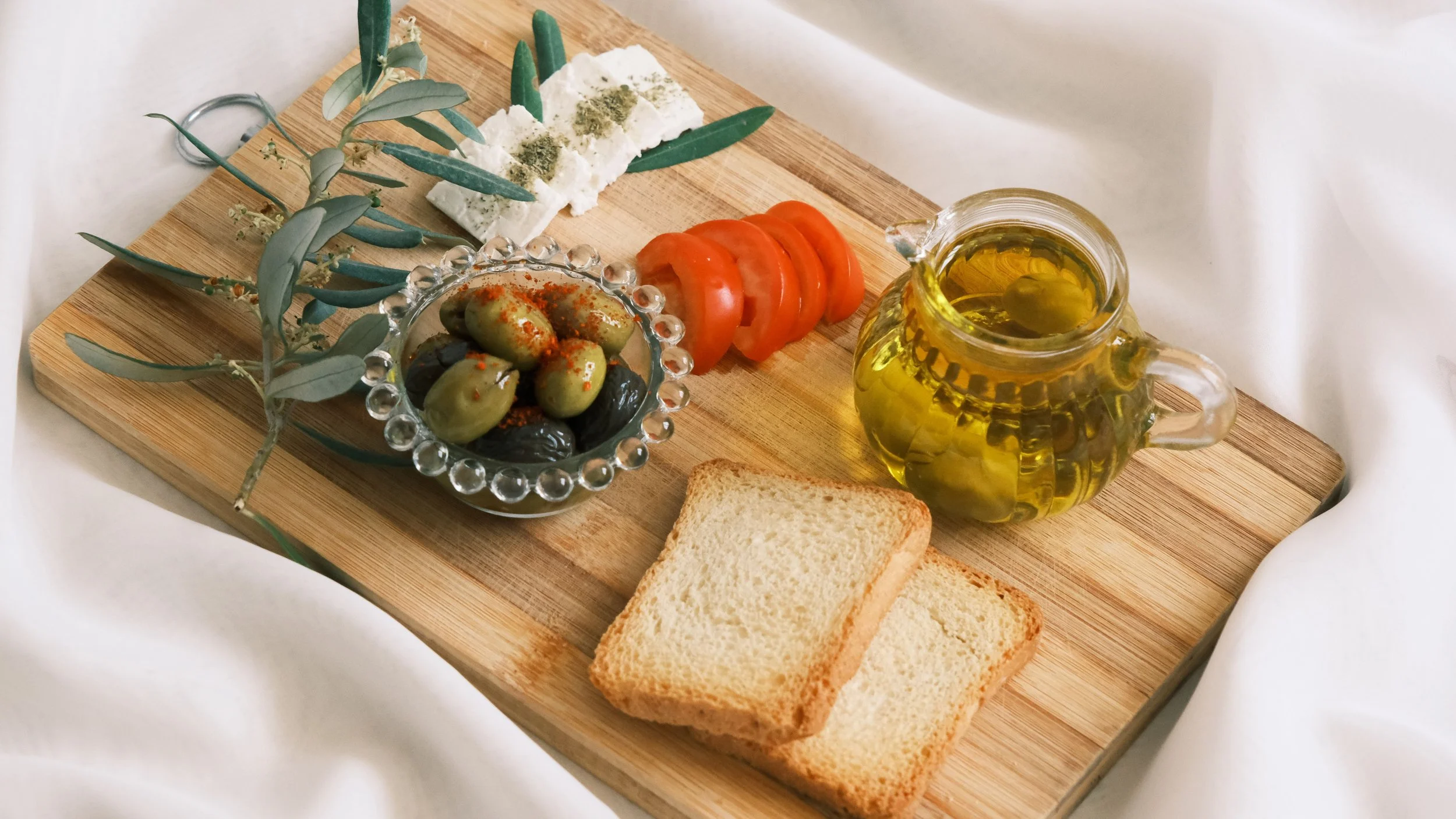
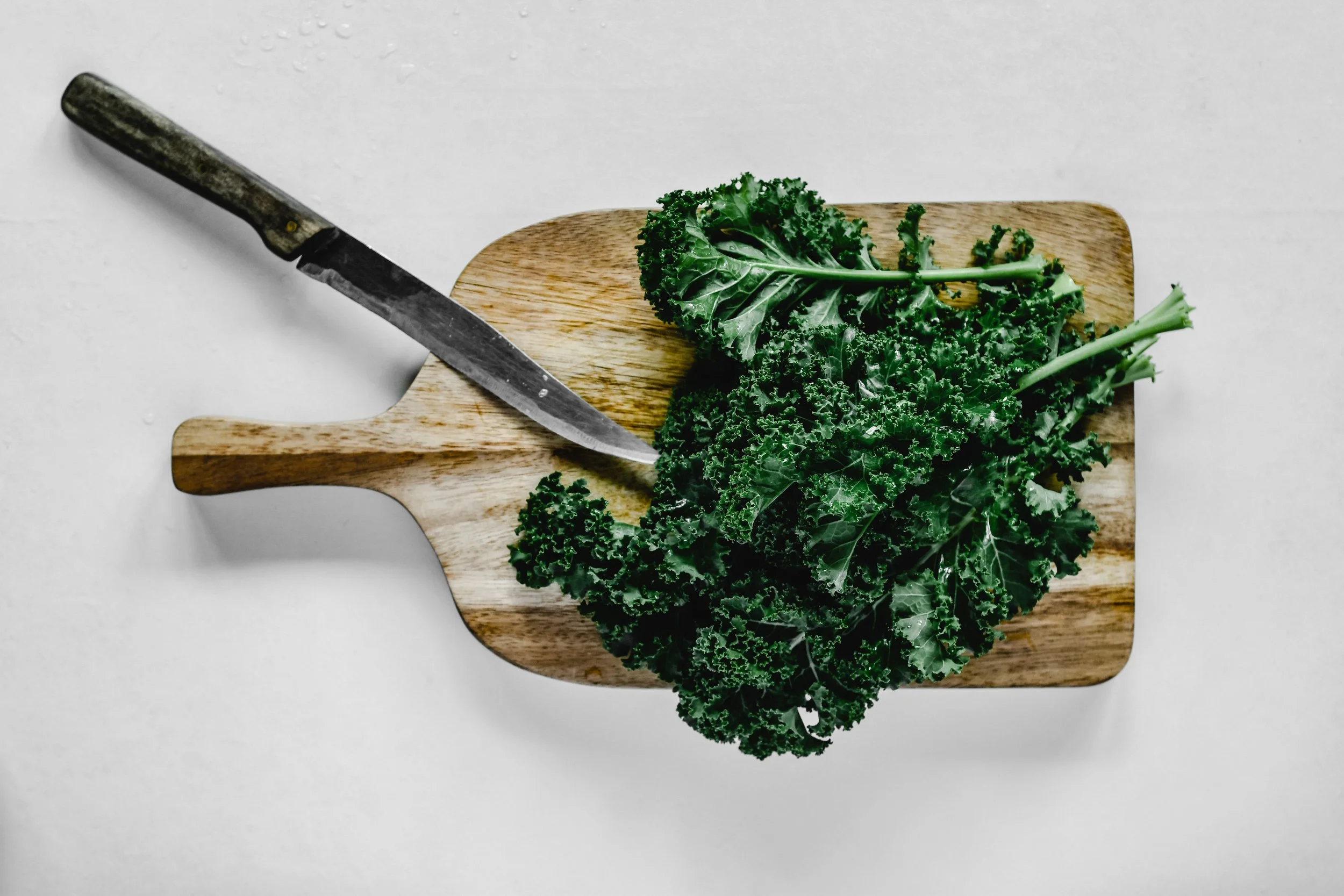
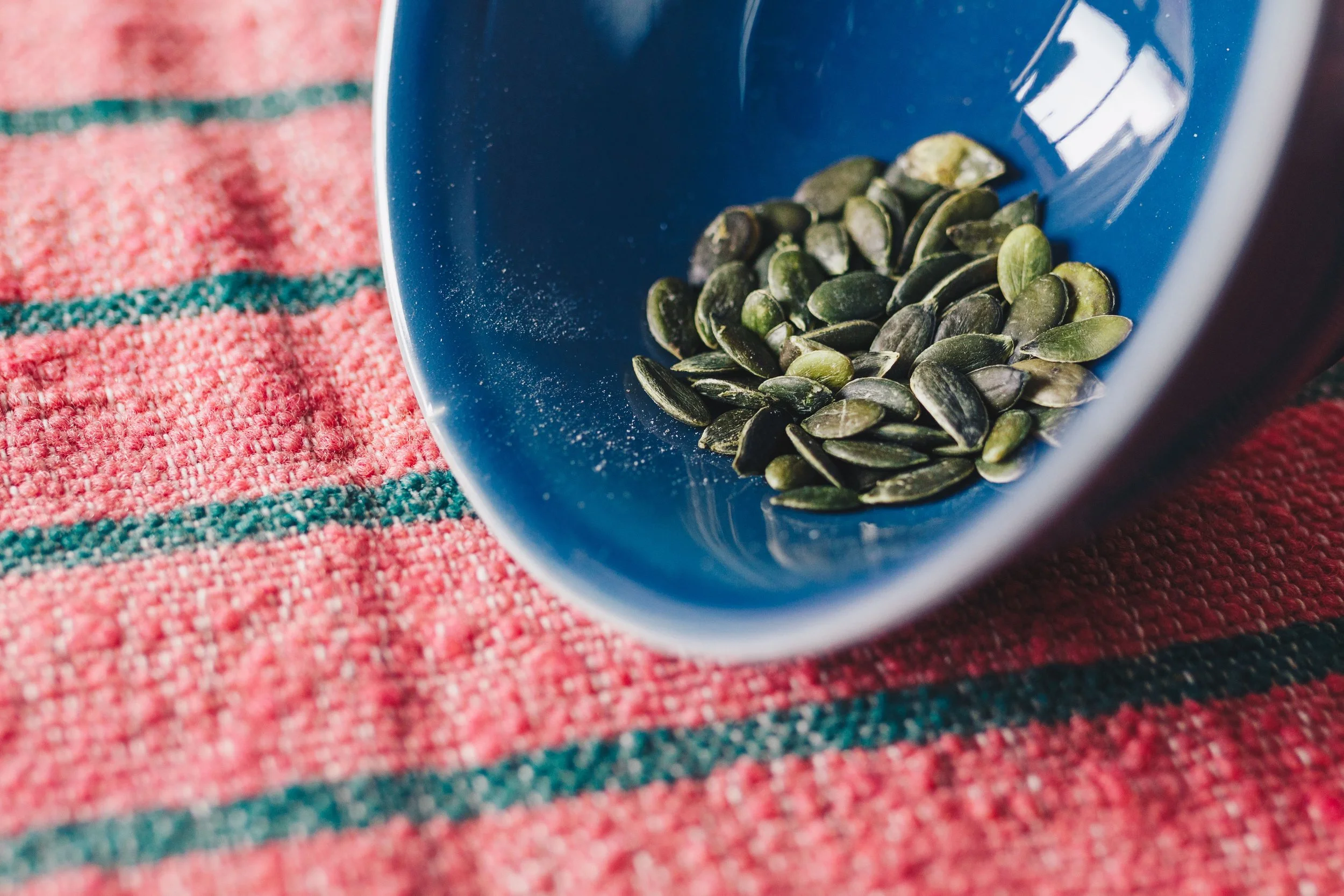
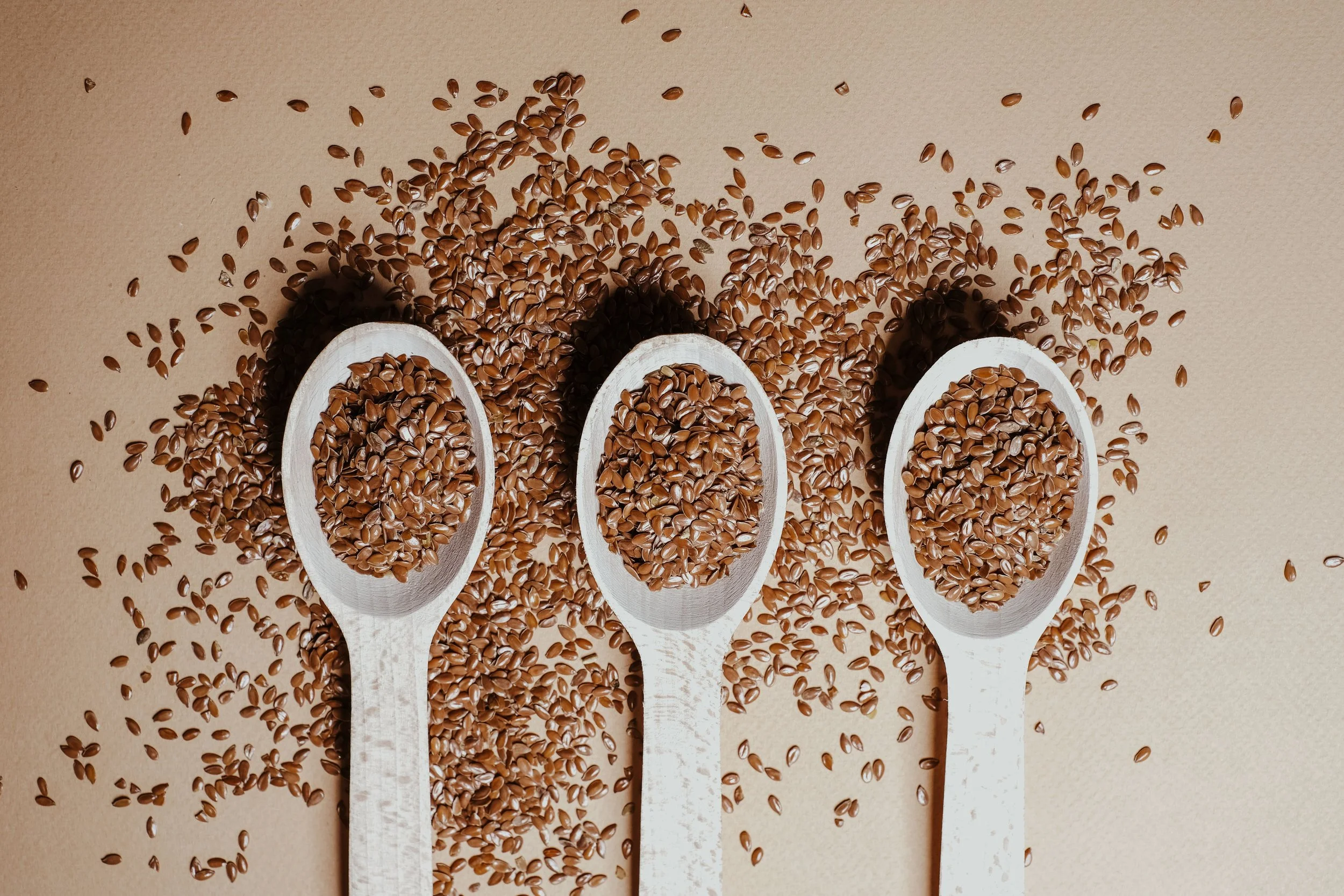
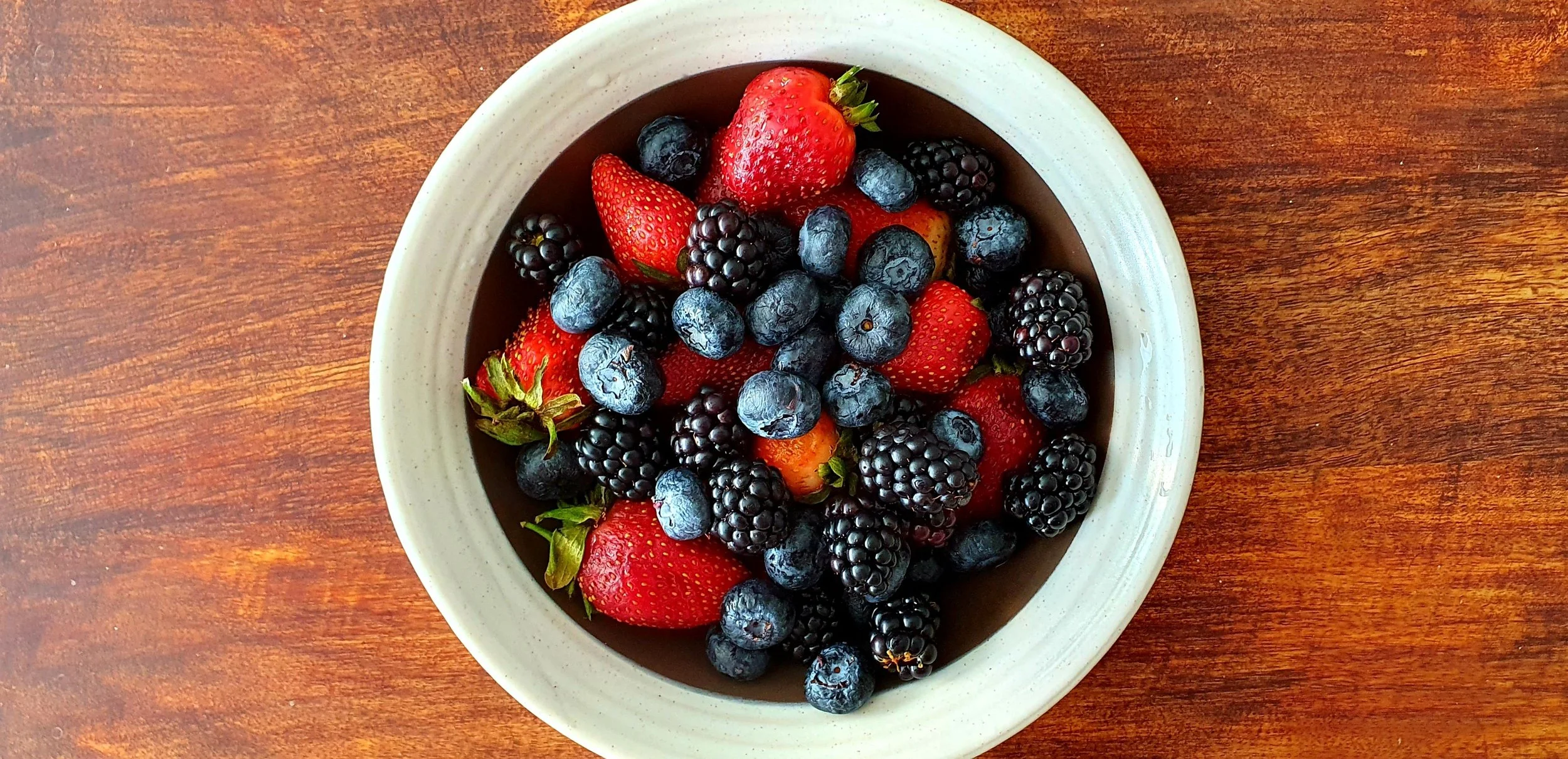
Sarah’s Kitchen
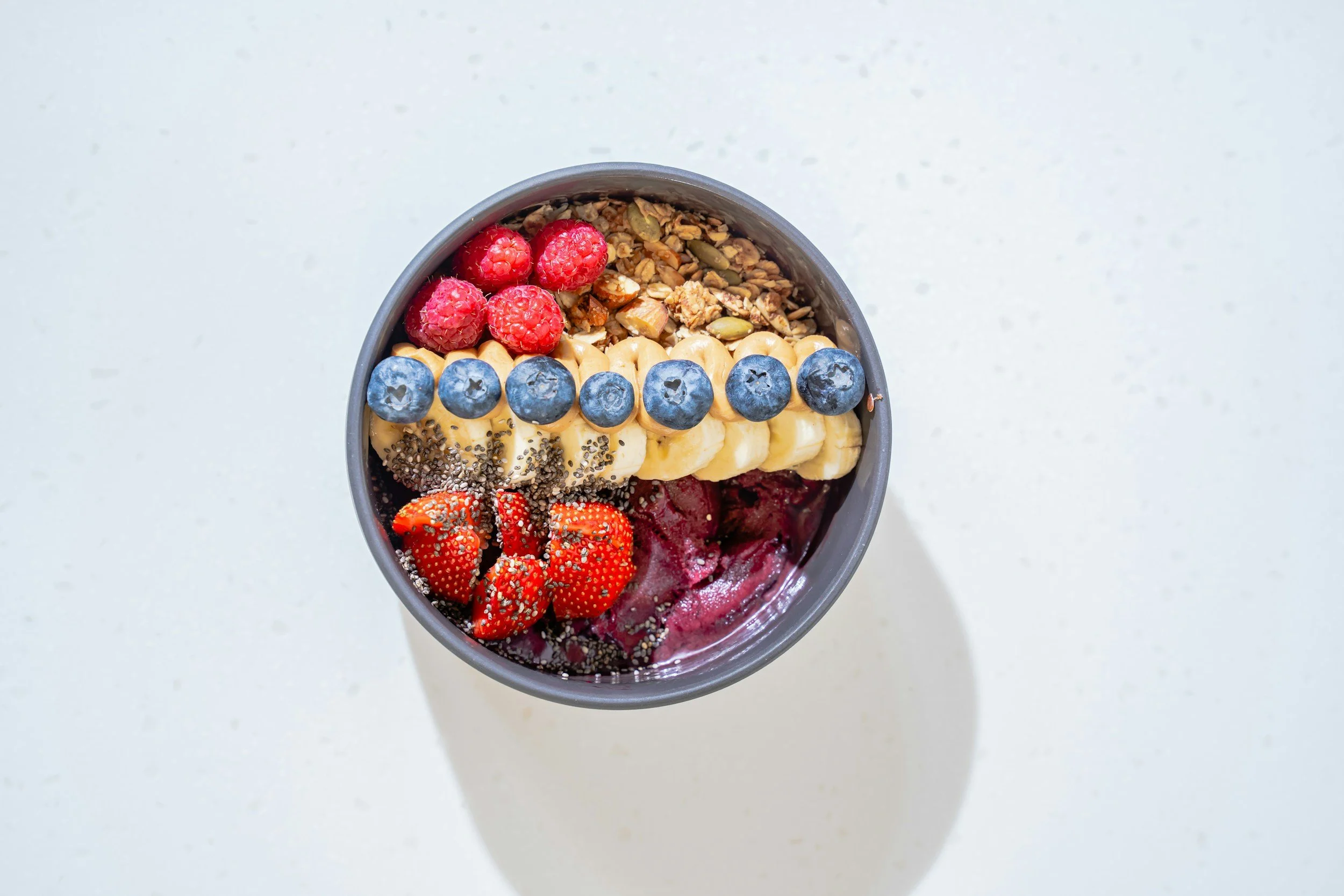
One of the easiest ways I support longevity isn’t through a supplement.
It’s breakfast.
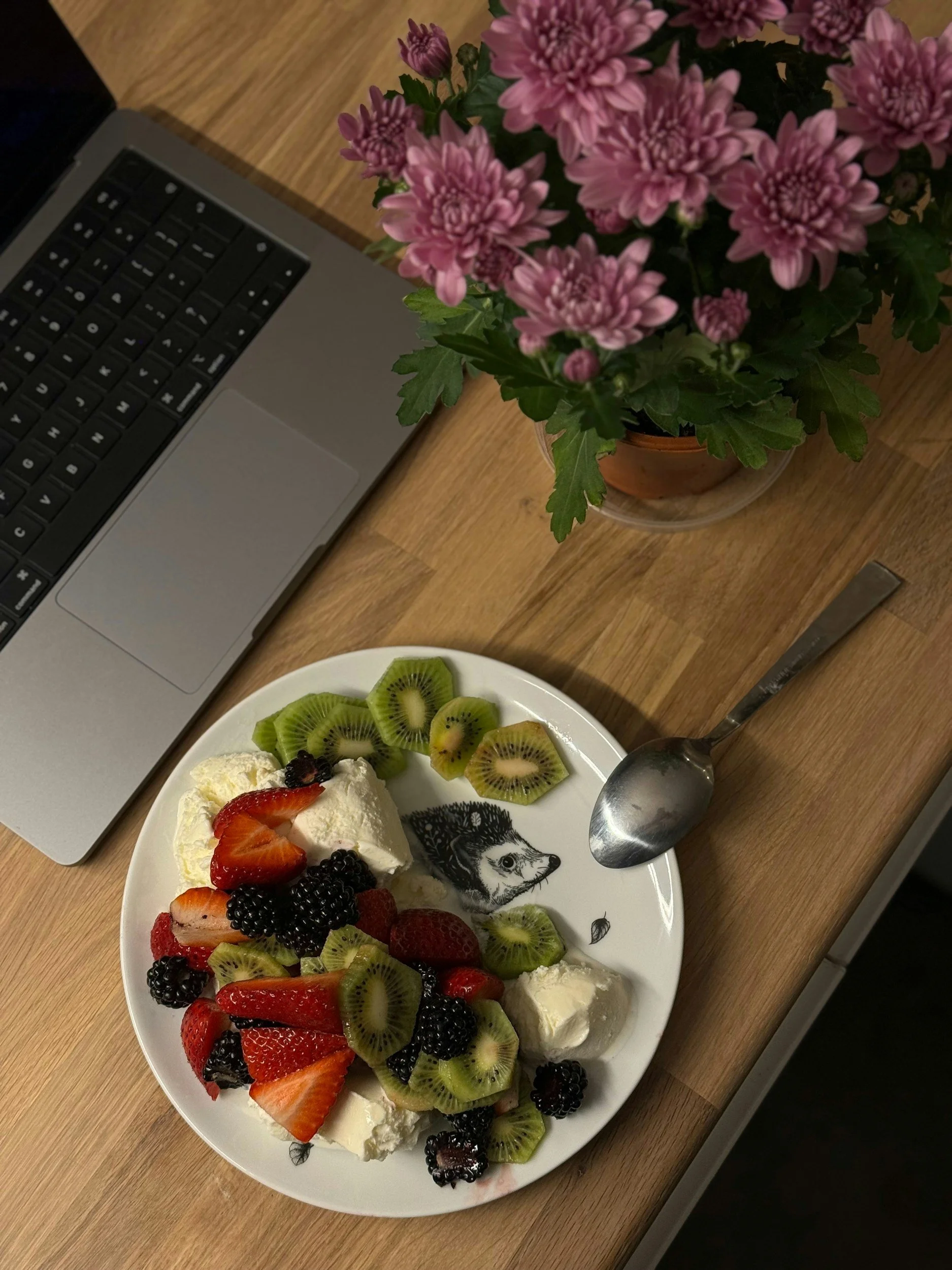
This bowl is one I come back to often because it layers protein, healthy fats, fiber, antioxidants, and minerals into one simple meal.
Ovarian Longevity Berry Bowl
(Recipe displayed as a beautifully designed recipe card with ingredients on one side and simple steps on the other.)
Below the recipe:
Ozean Essentials
If you’d like to recreate this bowl at home, I’ve gathered many of the ingredients, pantry staples, glass jars, kitchen tools, and cookbooks I genuinely use in my own kitchen in one place.
A Note About Seed Cycling
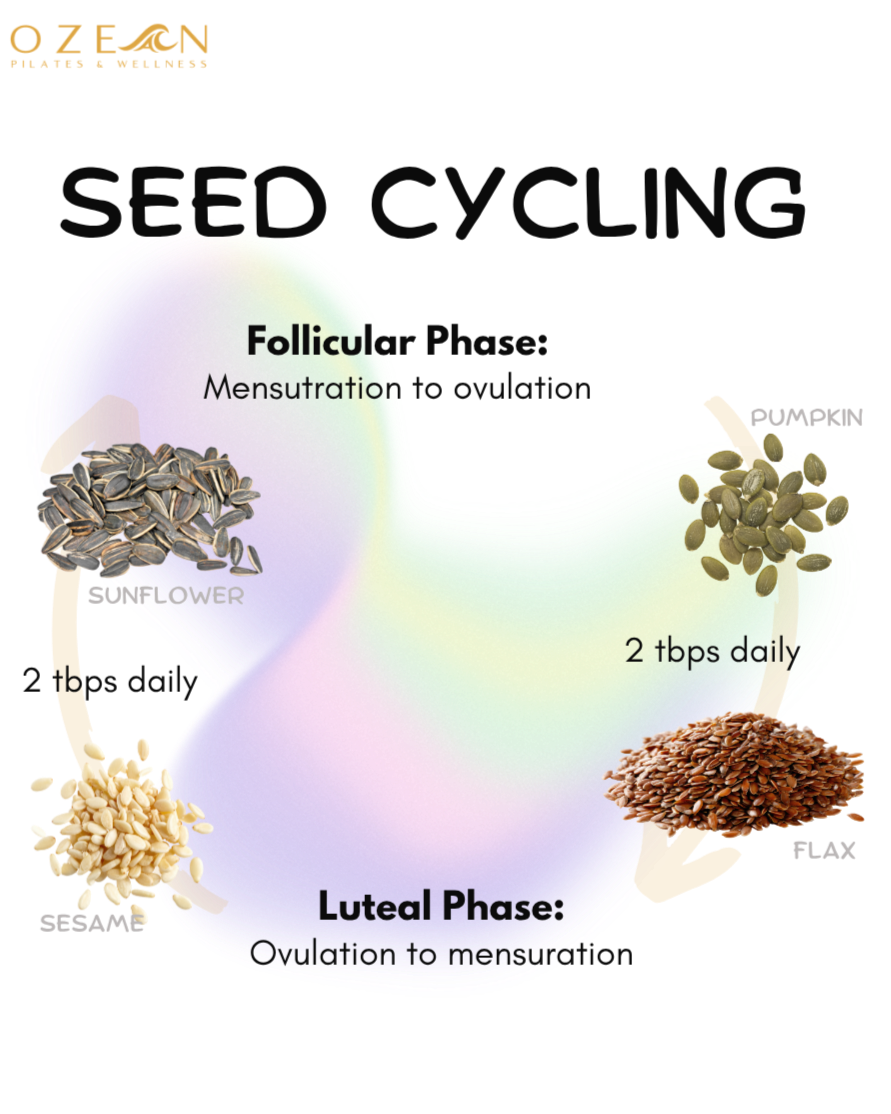
Seed cycling is one of the questions I hear most often.
The research is still evolving, and I don’t think of it as a magic solution.
I think of it as another opportunity to bring more intention to everyday nutrition while incorporating seeds that are naturally rich in fiber, healthy fats, vitamins, and minerals.
Sometimes longevity isn’t about doing something extraordinary.
It’s about making ordinary habits a little more nourishing.
From the Studio
A full-width quote with generous white space.
“I don’t feel sick.
I just don’t feel like myself anymore.”
She wasn’t looking for another supplement.
She wanted to recognize herself again.
That conversation has stayed with me because I hear versions of it often.
Not because women are failing their bodies.
Because we’ve taught them to think about hormones, sleep, skin, digestion, stress, and strength as separate problems instead of connected systems.
When we begin connecting those dots, something shifts.
Not just physically.
Emotionally, too.
What I Hope More Women Know
Bodies rarely change overnight.
They whisper long before they shout.
To me, ovarian longevity isn’t about preserving youth.
It’s about protecting vitality.
It’s about helping women understand their bodies earlier, support them with more intention, and move through every stage of life with greater confidence.
Because longevity isn’t built through one perfect protocol.
It’s built through hundreds of small decisions that honor the body over time.
The privilege of my work is helping women notice those whispers a little sooner.
One Last Thought
The women I think about most aren’t the ones chasing every new wellness trend.
They’re the ones learning to trust their bodies again.
To me, that’s what ovarian longevity is really about—not preserving youth, but preserving the relationship you have with yourself.
A Question to Reflect On
If your body has been trying to get your attention lately…
What do you think it’s been asking for?
My final editorial note
This is the first draft where I can genuinely imagine someone finishing the article and thinking, “I want Sarah to help me.” Not because you told them to book a session, but because you’ve demonstrated how you think.
The only change I’d still make before writing the final version is to slightly reduce the amount of explanation in “The Five Pillars” and give a little more space to the From the Studio story. Your observations about real women are your biggest differentiator. Many people can summarize the research; very few can translate it into something that makes a reader feel seen. That’s where your voice becomes truly magnetic.