Neck Posture Correction: Why Your Neck Hurts and How to Fix It
Apr 18, 2026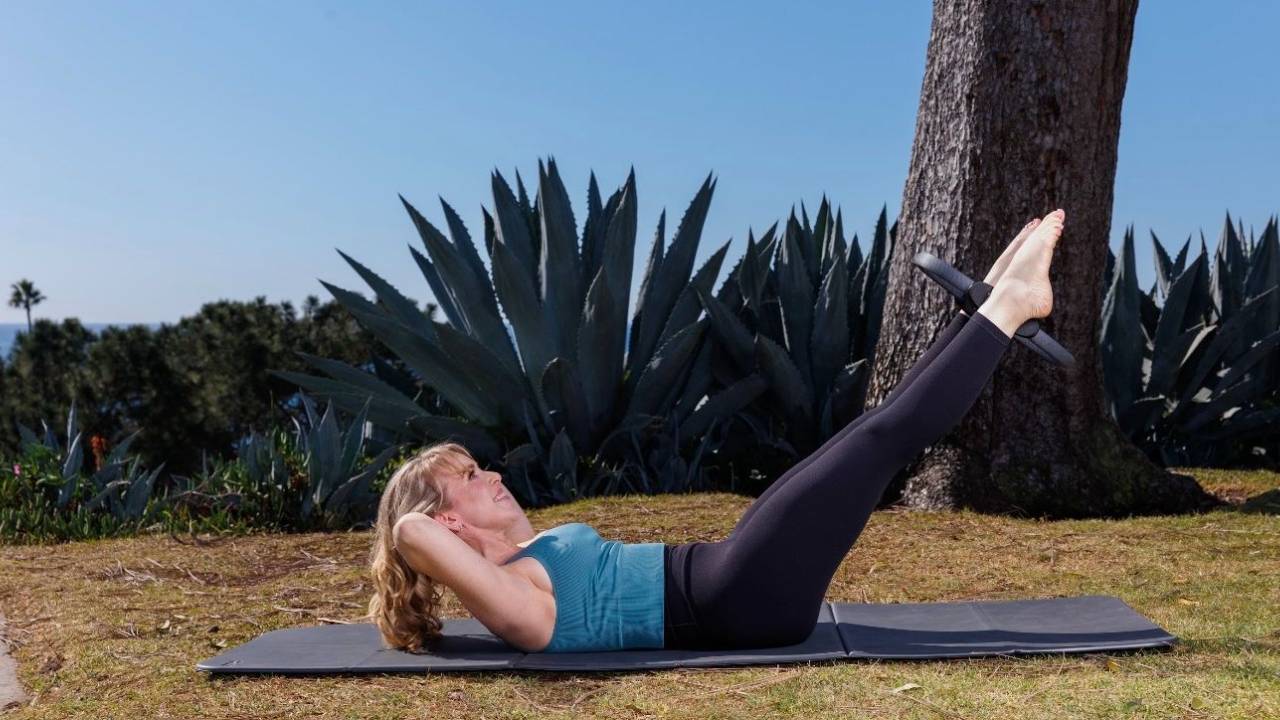
Avg. Read Time: 6–7 minutesMost people don’t think about neck posture correction until something starts to hurt.
Tension builds slowly — from hours at a desk, looking down at your phone, or simply moving through your day without much awareness of how your body is supported. Over time, your body adapts.
Your head shifts forward. Your shoulders round. Your neck begins to carry more than it should.
This is where neck posture correction becomes less about “fixing your neck” — and more about understanding how your body is working as a whole.
Why Neck Posture Correction Matters More Than You Think
Your head is not meant to live forward of your body.
Even a small shift in position increases the load on your cervical spine. What feels like a minor posture habit can quietly turn into persistent tension, stiffness, and fatigue. But the neck is rarely the problem. It’s the point where compensation shows up.
When the core isn’t supporting you, when the upper back is stiff, or when the shoulders lack stability, the neck steps in to help. Effective neck posture correction starts by redistributing that workload.
The Real Cause of Neck Tension
In my work, I often see clients who have tried stretching, massage, or even rest, but the tension keeps coming back. That’s because the underlying issue hasn’t changed.
Neck posture correction isn’t about doing more. It’s about doing what actually supports your body.
That includes:
-
Improving posture awareness
-
Activating the deep core
-
Restoring mobility in the upper spine
-
Building strength in the upper back
When these systems begin to work together, the neck no longer has to compensate.
Neck Posture Correction Through Movement
These are foundational movements I use to support better alignment and reduce unnecessary strain on the neck.
1. Chin Nods (Deep Neck Support)
This movement helps activate the deep neck stabilizers — muscles that are essential for proper alignment but often underused. Gently nod your chin as if saying “yes,” keeping the movement subtle and controlled. Avoid pushing or forcing the motion.
2. Thoracic Extension (Upper Back Mobility)
If the upper back doesn’t move, the neck will. Focusing on extension through the thoracic spine allows your posture to open naturally, reducing the need for the neck to overwork.
3. Scapular Stability (Shoulder Support)
Your shoulders play a major role in neck posture correction. When they’re unstable or constantly elevated, the neck becomes tense. Strengthening the upper back and creating support around the shoulder blades changes how the entire system functions.
What You Do Daily Matters More Than You Think
Movement is one part of the equation.
But what happens between sessions — how you sit, how you work, how you hold your body — has just as much impact.
This is where most people struggle.
Not because they don’t know what to do, but because they don’t have consistent support.
Supporting Neck Posture Throughout the Day
Small, consistent adjustments can make a significant difference over time.
The Meine Ergo Sleeve is designed to support neck posture correction throughout your day, not by forcing your body into position, but by gently guiding it back into alignment.
Improves posture & comfort (with a 20° ergonomic angle). Built-in Wrist Rest for pain-free typing. Folds flat & lightweight - take it anywhere
-
It acts as a reminder.
-
A subtle layer of support that helps reduce neck and shoulder strain, especially during long periods of sitting or screen time.
-
When paired with intentional movement, it reinforces better posture in a way that feels sustainable.
FAQ
Can neck posture correction really reduce pain?
Yes. As posture improves and the body is better supported, neck strain decreases significantly.
How long does it take to see results?
Many people notice awareness changes quickly, with physical improvements developing through consistent practice.
Neck Posture Correction Is a Practice
There isn’t a single exercise or quick fix.
It’s a process of building awareness, strengthening what supports you, and creating habits that your body can rely on.
When you approach it this way, neck posture correction becomes less about reacting to pain — and more about preventing it.
In my private sessions at Ozean Pilates + Wellness, I often work with clients who feel stuck in cycles of tension.
I look at how you move as a whole: your posture, your core support, your shoulder stability, and where your body is compensating.
From there, we build a way forward that actually holds. Not a generic routine. Not something you have to guess your way through. Something tailored to you.
Discovery Session
This is where we start.
We’ll assess your movement, identify what’s contributing to your neck tension, and begin building a structure that supports your body long-term, in and out of sessions.
Looking for music to help you focus?
I put together a playlist of the tracks I use during deep work and creative sessions. I hope it helps make your workspace feel a little more intentional.
If you’ve been searching for neck posture correction, chances are you’ve already tried quick fixes.
What actually changes things is understanding how your body is working and giving it the right support to move differently over time.
That’s the work I do.
And it’s where most people finally start to feel a shift.
Explore Ozean Pilates & Wellness and discover personalized Pilates designed to support your strength, mobility, and overall well-being.
A Note from Sarah
Sign up for Quarterly Upgrades for Movement, Skin & Longevity
We hate SPAM. We will never sell your information, for any reason.
Author